



Comprehensive Tooth Replacement and Permanent Tooth Replacement in Ohio | Emergency Dentist Available Today
Across Ohio, many people look for dental implants that supports natural-looking smile function. We explain findings in plain language, review realistic options, and tailor care around comfort, timing, and long-term oral health.
Happy Patients
Expert Dentists
5-Star Ratings
Practical Support for Dental Decisions
Whether you are planning ahead or responding to a new concern, our team provides dental implants in Ohio with clear exams, modern diagnostics, and recommendations that fit your goals.
Explore Treatment OptionsSupport for Health, Comfort, and Confidence
people across communities throughout Ohio often choose dental implants because early evaluation, timely treatment, and consistent follow-up can keep concerns from becoming harder to manage.
Learn About Preventive CareLocal Care Designed Around Clear Decisions
Our recommendations are shaped by symptoms, exam findings, smile goals, and the condition of the teeth and gums so care in Ohio feels thoughtful rather than rushed.
Review Cosmetic OptionsServices Commonly Recommended
individuals throughout the state of Ohio rely on our office for dental implants because we focus on clear communication, modern diagnostics, and care that fits daily life.
Implant Crowns
Implant-supported crowns replace missing teeth with stable support designed to restore chewing function and natural smile appearance for patients in Ohio.

Bone Support Review
Planning in Ohio may include a review of bone support, gum health, and restorative goals before moving forward with implant treatment.
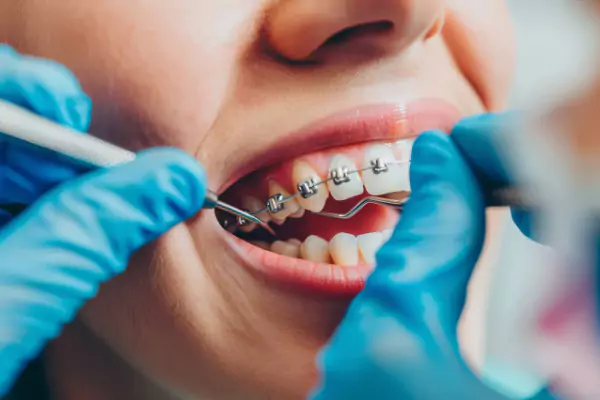
Restoration Planning
We explain timelines, healing stages, and restoration options so patients in Ohio understand how implant treatment fits long-term oral health.
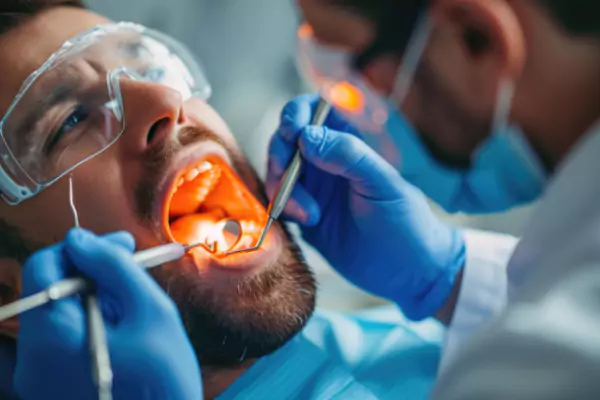
Modern Care With Clear Explanations
From urgent problems to long-term planning, our office is structured to help patients in Ohio understand their options and move forward with confidence.
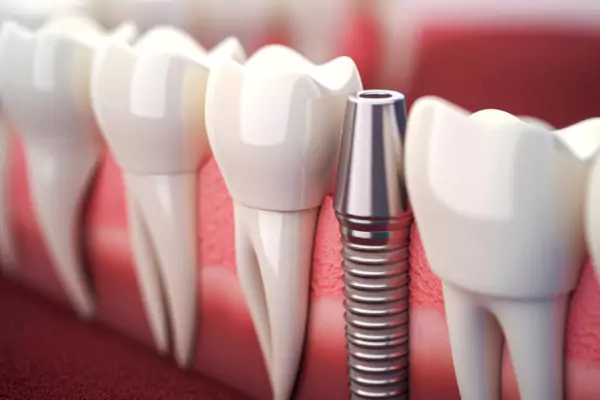
Comfort-Focused Care with Practical Planning
Modern tools are important, but so is communication. We help patients across Ohio understand what treatment means before they commit to the next step.
Current Tools Backed by Clear Guidance
Modern diagnostics help our team in Ohio move beyond guesswork by combining imaging, exams, and conversation into a clearer treatment picture.

Comfort-Focused Care Backed by Modern Tools
If you feel nervous during dental visits, we slow the pace, explain each stage before we begin, and create a more comfortable experience whenever possible.
Dental Expertise Supported by Modern Diagnostics
Patients across Ohio often appreciate a visit flow that is organized, efficient, and still personal enough to answer important questions.




Dr. Ethan Parker, DDS
Dr. Amelia Brooks, DDS focuses on dental implants care built around diagnosis, timing, and next-step guidance so patients across Ohio can move forward with confidence.
Clinical Focus Areas
- Dental Implants & Restorations
- Routine Cleanings & Exams
- Root Canal Therapy
- Digital X-Rays & 3D Imaging
- Crowns, Bridges & Fillings
- Oral Cancer Screenings
 Dr. Amelia Brooks, DDS


Questions About Timing, Comfort, and Care
Patients in Ohio often want straightforward answers about timing, comfort, candidacy, and which treatments may best fit their dental goals.
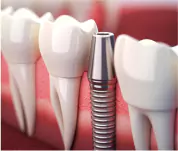
Dental implants replace missing teeth by placing an artificial root in the jawbone and attaching a crown or other restoration for stable support. Your dentist can tailor that guidance to your oral health findings and treatment goals.
Timing varies because healing, bone condition, and the type of restoration all affect the process, but your dentist can outline a step-by-step timeline after evaluation.
Yes. Dental implants are often chosen because they support stable biting and chewing while also helping maintain a natural-looking smile. Your dentist can tailor that guidance to your oral health findings and treatment goals.
Candidates usually need healthy gums, enough bone support, and a treatment plan that fits their overall oral health, healing goals, and restoration needs.
Dental implants can support a single crown, multiple missing teeth, or certain full-arch replacement plans depending on the condition of the mouth and jawbone. Your dentist can tailor that guidance to your oral health findings and treatment goals.
A consultation helps review imaging, bone support, gum health, and restoration goals so your dentist can explain the most practical implant options.
Dental implants replace missing teeth by placing an artificial root in the jawbone and attaching a crown or other restoration for stable support. Your dentist can tailor that guidance to your oral health findings and treatment goals.
Timing varies because healing, bone condition, and the type of restoration.
Yes. Dental implants are often chosen because they support stable biting and chewing while also helping maintain a natural-looking smile. Your dentist can tailor that guidance to your oral health findings and treatment goals.
Candidates usually need healthy gums, enough bone support, and a treatment plan that fits their overall oral health, healing goals, and restoration needs.
Dental implants can support a single crown, multiple missing teeth, or certain full-arch replacement plans depending on the condition of the mouth and jawbone. Your dentist can tailor that guidance to your oral health findings and treatment goals.
A consultation helps review imaging, bone support, gum health, and restoration goals so your dentist can explain the most practical implant options.
Dental implants replace missing teeth by placing an artificial root in the jawbone and attaching a crown or other restoration for stable support. Your dentist can tailor that guidance to your oral health findings and treatment goals.
Timing varies because healing, bone condition, and the type of restoration all affect the process, but your dentist can outline a step-by-step timeline after evaluation.
Yes. Dental implants are often chosen because they support stable biting and chewing while also helping maintain a natural-looking smile. Your dentist can tailor that guidance to your oral health findings and treatment goals.
Candidates usually need healthy gums, enough bone support, and a treatment plan that fits their overall oral health, healing goals, and restoration needs.
The Answer Depends on your Symptoms, Exam Findings, and the Goals You Want Treatment to Address. During Dental Implants & Tooth Replacement Visits in Ohio, We Explain Options in Plain Language, Show What We See Clinically, and Recommend a Plan that Supports Comfort, Function, and Long-term Oral Health.
A consultation helps review imaging, bone support, gum health, and restoration goals so your dentist can explain the most practical implant options.
Dental implants replace missing teeth by placing an artificial root in the jawbone and attaching a crown or other restoration for stable support. Your dentist can tailor that guidance to your oral health findings and treatment goals.
Timing varies because healing, bone condition, and the type of restoration all affect the process, but your dentist can outline a step-by-step timeline after evaluation.
Helpful Guidance for Dental Visits
When Missing Teeth May Call for Implant Treatment Near Ohio
Explore common questions about candidacy, treatment timing, comfort, and recovery related to dental implants care.
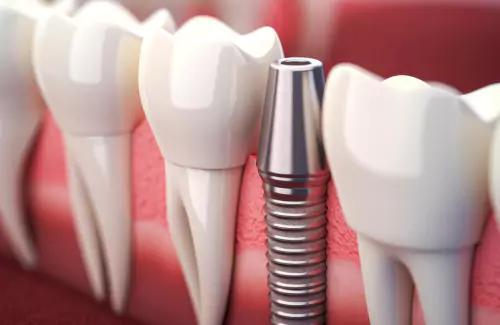
What to Know Before Booking a Dental Implant Consultation Near Ohio
Review how exams, modern diagnostics, and practical treatment planning help patients make informed dental decisions.
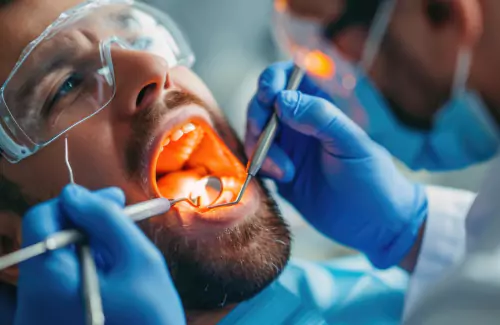
How Dental Implants Support Bite Function and Smile Stability Near Ohio
Learn what to expect before booking, which concerns deserve attention, and how treatment options are usually explained.